How Robert Uses PP in Spring to Support Koi Health
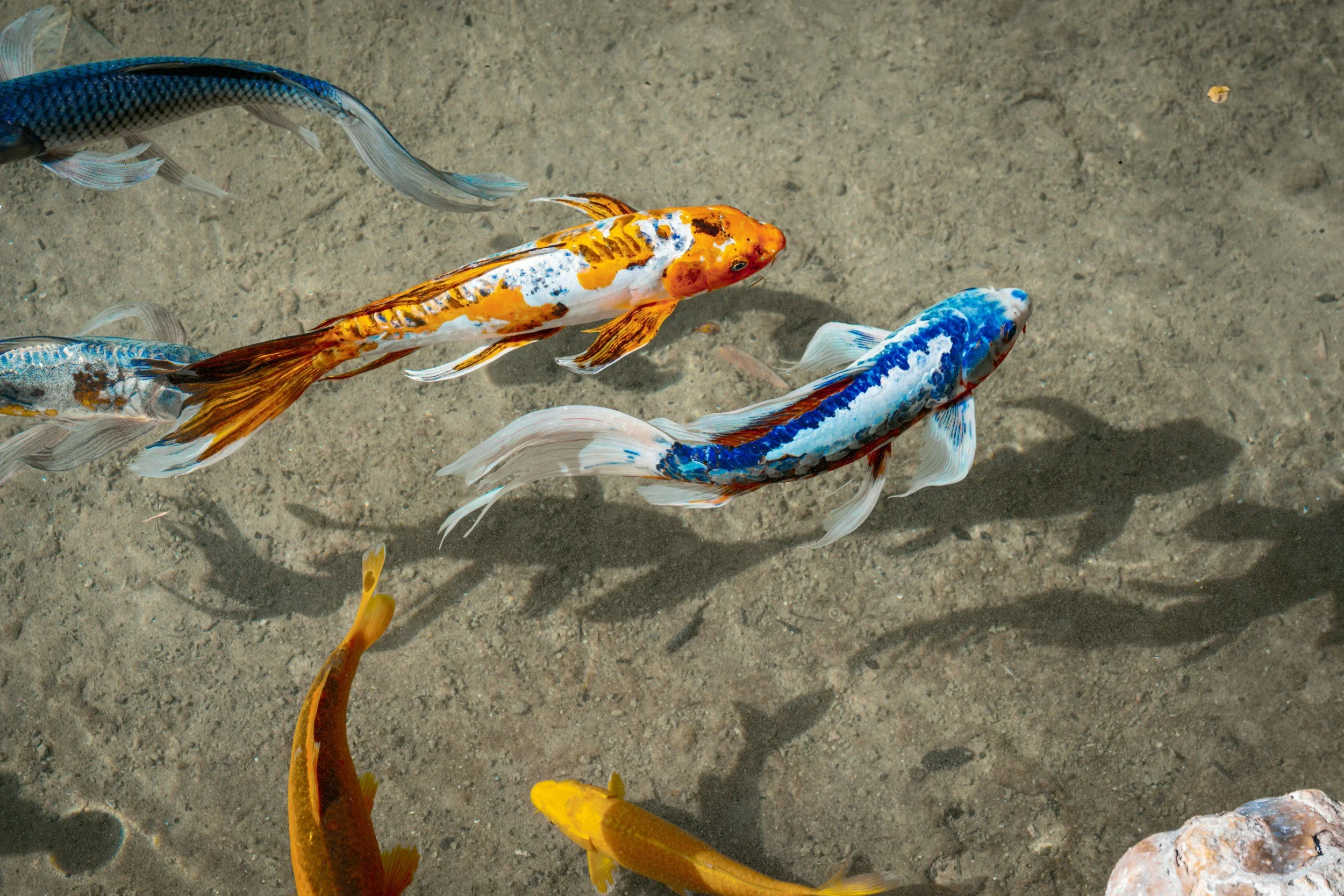
As spring arrives, koi ponds begin to wake up. Water temperatures rise, filters start rebuilding, and koi slowly come out of winter dormancy. At Robert’s Koi Farm, one important part of spring prep can be a careful Potassium Permanganate (PP) treatment.
Used properly, PP can support koi health, reduce parasites, and improve water clarity—helping fish enter the growing season in a cleaner, lower-stress environment. Robert’s existing PP post explains that he uses PP in both spring and fall as a “reset” for his ponds and quarantine systems.
This post shares how and why Robert includes PP as part of his spring routine—not as blanket advice, but to show what works in his own koi systems.
Why Use Potassium Permanganate in Spring?
Spring is one of the most sensitive times of year for koi. Robert’s spring pond prep post explains that after winter, koi have low immunity, their metabolism is only beginning to increase, and beneficial bacteria in the filter are still rebuilding. At the same time, parasites and harmful bacteria become more active as temperatures rise.
That’s one reason Robert uses PP in spring as a “reset” in his own systems. According to the farm’s PP post, Potassium Permanganate can:
Reduce external parasites like Costia, Trichodina, and flukes
Break down organic waste and excess DOCs (dissolved organics)
Support recovery after periods of stress or transition
Improve clarity and oxygenation as microbial loads shift
In spring, the goal is not to push koi too hard. It’s to give them a cleaner environment while the pond rebalances and the fish regain strength. That lines up with the site’s spring prep guidance: take it slow, stay consistent, and support koi through the transition into the growing season.
Robert’s Spring PP Dosing Routine
⚠️ This is what Robert does in his own ponds. It’s shared for educational purposes only. Every pond is different.
Stop feeding for the day of treatment. Robert’s fall PP post lists this as the first step in his treatment routine.
Always know your pond water volume before treating. The farm’s PP post gives this example: for a 5,000 US gallon pond, Robert uses 60 grams of PP.
Clean filters before treating with PP. Remove leaves and organic debris. This also fits the site’s spring prep advice to remove built-up debris from winter, while being careful not to over-clean the entire ecosystem.
Ensure KH is between 100–150 ppm. Robert’s PP post warns that low KH can lead to a pH crash, while the spring prep post also says stable KH in that same range helps prevent dangerous pH swings and supports biological filtration.
Dose carefully:
3 treatments every 3–4 days
Robert typically uses a 3 mg/L (3 ppm) dose in clean systems
For 1,000 gallons (~3800 L), that’s about 11.4 grams of PP, confirmed with a scale
PP is fully dissolved in warm water before applying
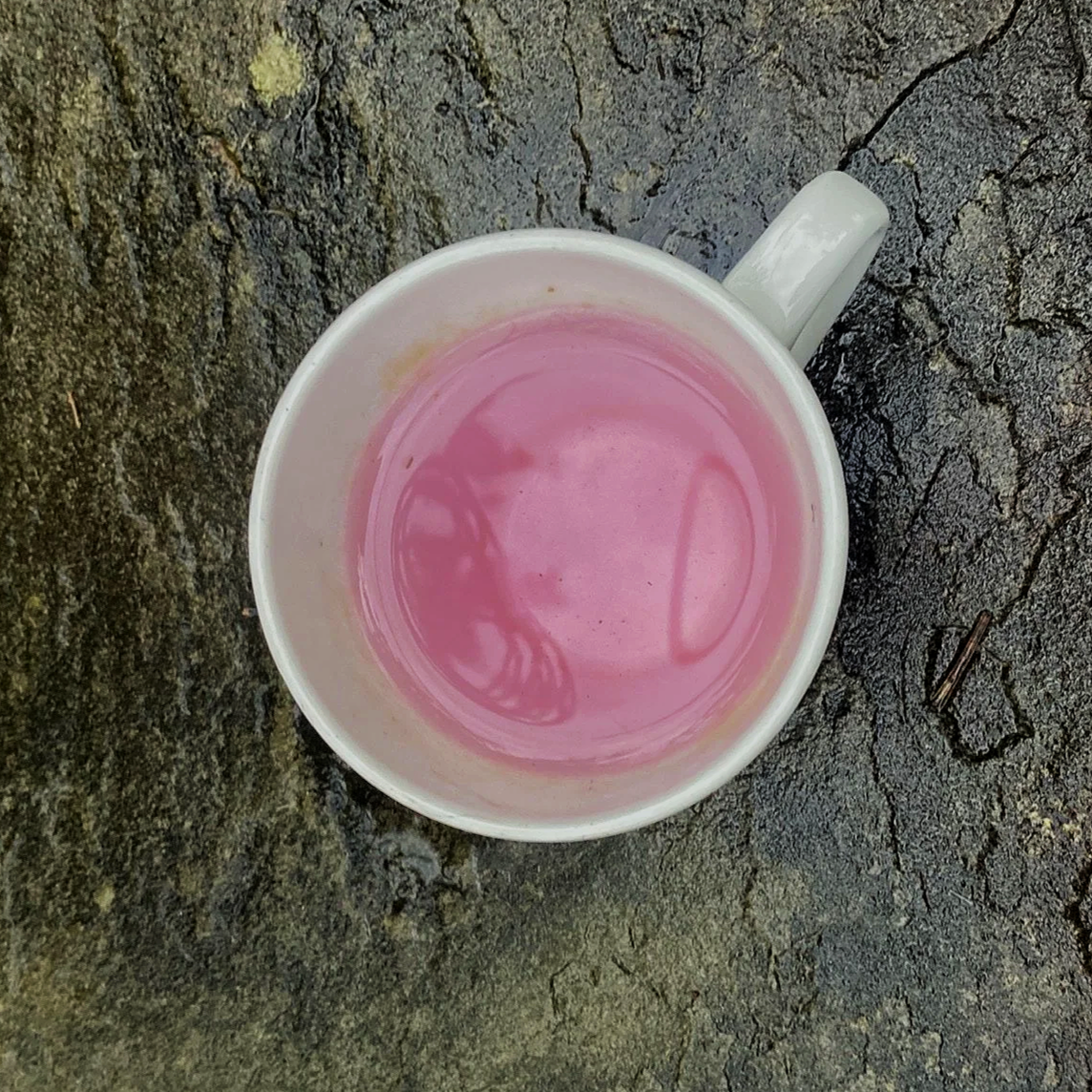
A white ceramic cup is used to monitor the treatment strength and make sure the water stays a pinky-purple color
Apply slowly around the pond edge while strong aeration runs. The PP post emphasizes strong aeration and careful application.
Watch fish closely for signs of distress. Spring is already a vulnerable season, and the spring prep post says this is when many issues show up.
Monitor water color. Robert’s PP post describes the normal treatment pattern as bright purple fading to brown over 4–6 hours.
Neutralize the third and final treatment with hydrogen peroxide. Robert only neutralizes the first and second treatment if needed, and says he rarely does this. His posted rate is 1 pint of 3% hydrogen peroxide per 1,000 gallons. After treatment, a partial water change may be done the next day depending on conditions.
Add salt after the final treatment. Robert’s fall PP post says that on the same day as the final treatment, he adds 1 lb of salt per 100 gallons for 3 consecutive days to bring pond water to 3 ppm salt, and notes that salt helps protect the koi slime coat.
Why It Works for Spring
Spring is when koi are waking up, but not yet fully strong. The site’s spring prep post says fish are at their most vulnerable after winter, and that many health issues show up during this season because the pond ecosystem and the fish are both still recovering.
That’s why Robert’s spring PP approach can make sense in his own systems:
It helps reduce parasites as they become more active in warming water.
It helps break down leftover winter organics and improve water clarity.
It supports a cleaner pond environment while filters and beneficial bacteria are still rebuilding.
It helps Robert stay ahead of problems instead of reacting once fish are already stressed.
Spring PP dosing is not about rushing the season. It’s about preparing the pond carefully so koi can move into warmer weather with less stress and stronger support. That matches the site’s broader spring message: stable water, gentle transitions, and early prevention set the tone for the whole year.
A Word of Caution
PP is a strong chemical. Robert’s published post warns that it can harm fish, plants, or filters if misused, and says he does not use it casually or routinely—only when needed. He also stresses that he confirms exact pond volume, has strong aeration, and is fully present during treatment.
Robert’s Reminder
“Every pond is different, and PP is not something to use casually. But used with care, at the right time, it can really help your koi head into the season strong.” This adapts the same caution Robert gives in the existing PP article, which currently frames the idea around helping koi head into winter strong.
— Robert
Robert’s Koi Farm – Fort Langley, BC
Healthy koi raised in natural clay mud ponds
Shipping available across Canada
Disclaimer
This blog is for educational purposes only. Robert shares what he does in his own ponds based on experience and observation. This is not medical or professional advice. Always research thoroughly, understand the risks, and seek expert input before using any treatment. Use PP at your own risk and always with care.