Spring Pond Preparation
As the days grow longer and temperatures begin to rise, your koi pond wakes up from its winter rest. Spring is a season of renewal—but it’s also one of the most sensitive times for your koi.
What you do now sets the tone for the entire year.
A few simple steps can help your fish regain strength, stabilize your water, and prevent common spring health issues before they start.
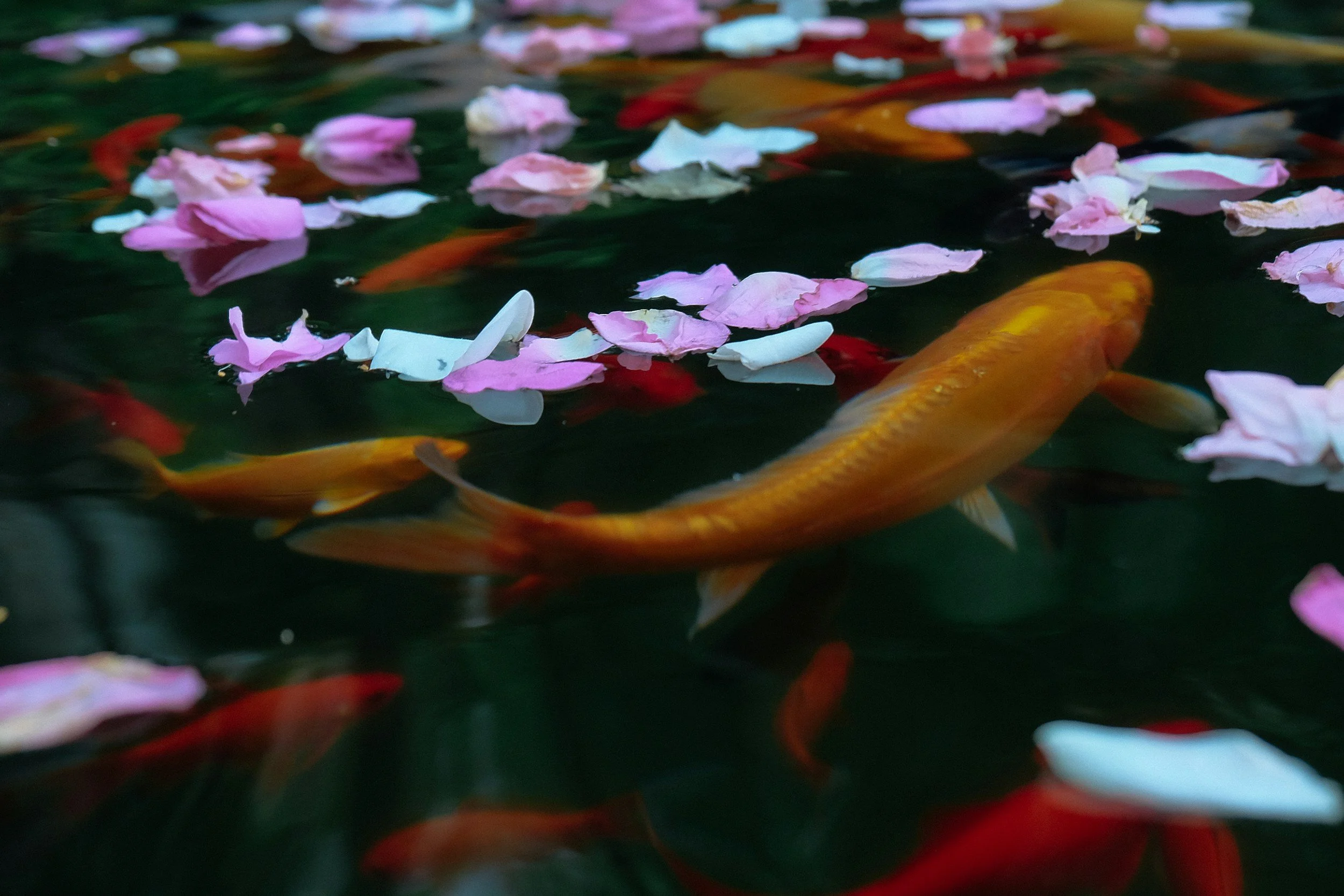
Why Spring Preparation Matters
After winter, koi are at their most vulnerable.
Their immune systems are low, their metabolism is just beginning to increase, and beneficial bacteria in your filtration system are still rebuilding. At the same time, parasites and harmful bacteria become more active as temperatures rise.
This imbalance is why many koi health issues show up in spring.
With the right care, you can help your koi transition smoothly into the growing season—strong, active, and thriving.
The Most Important Spring Pond Care Steps
1. Monitor Water Temperature Closely
Spring temperatures can fluctuate a lot between day and night. These swings can stress koi and affect feeding, filtration, and oxygen levels.
Consistency matters more than speed—let your pond warm naturally.
2. Start Feeding Slowly
When water temperatures reach around 10°C (50°F), koi begin to show interest in food again—but their digestion is still delicate.
Start with small amounts of easy-to-digest food and gradually increase as temperatures stabilize.
👉 A seasonal food like Nijikawa Four Seasons is ideal for this transition period.
3. Rebuild Your Beneficial Bacteria
Your biofilter slows down significantly over winter. In spring, it needs time—and support—to rebuild.
Without enough beneficial bacteria, ammonia and nitrite can spike quickly.
👉 Consider adding a high-quality bacteria starter to help re-establish your pond’s balance.
4. Check and Stabilize KH (Carbonate Hardness)
Spring rain and snowmelt can dilute your pond water, lowering KH and destabilizing pH.
A stable KH (100–150 ppm) helps prevent dangerous pH swings and supports your biological filtration.
👉 Test regularly and buffer as needed—stable water is everything.
5. Clean Debris—Gently
It’s important to remove built-up sludge, leaves, and organic waste from winter—but avoid over-cleaning.
Your pond needs some of that natural bacteria to re-establish balance.
Focus on removing excess debris without disrupting the entire ecosystem.
6. Inspect Equipment
Before the season gets busy, check:
Pumps
Filters
UV clarifiers
Aeration systems
Make sure everything is running efficiently and hasn’t been damaged over winter.
7. Watch Your Fish Carefully
Spring is when issues show up.
Look for:
Flashing or rubbing
Clamped fins
Lethargy
Redness or sores
Catching problems early makes all the difference.
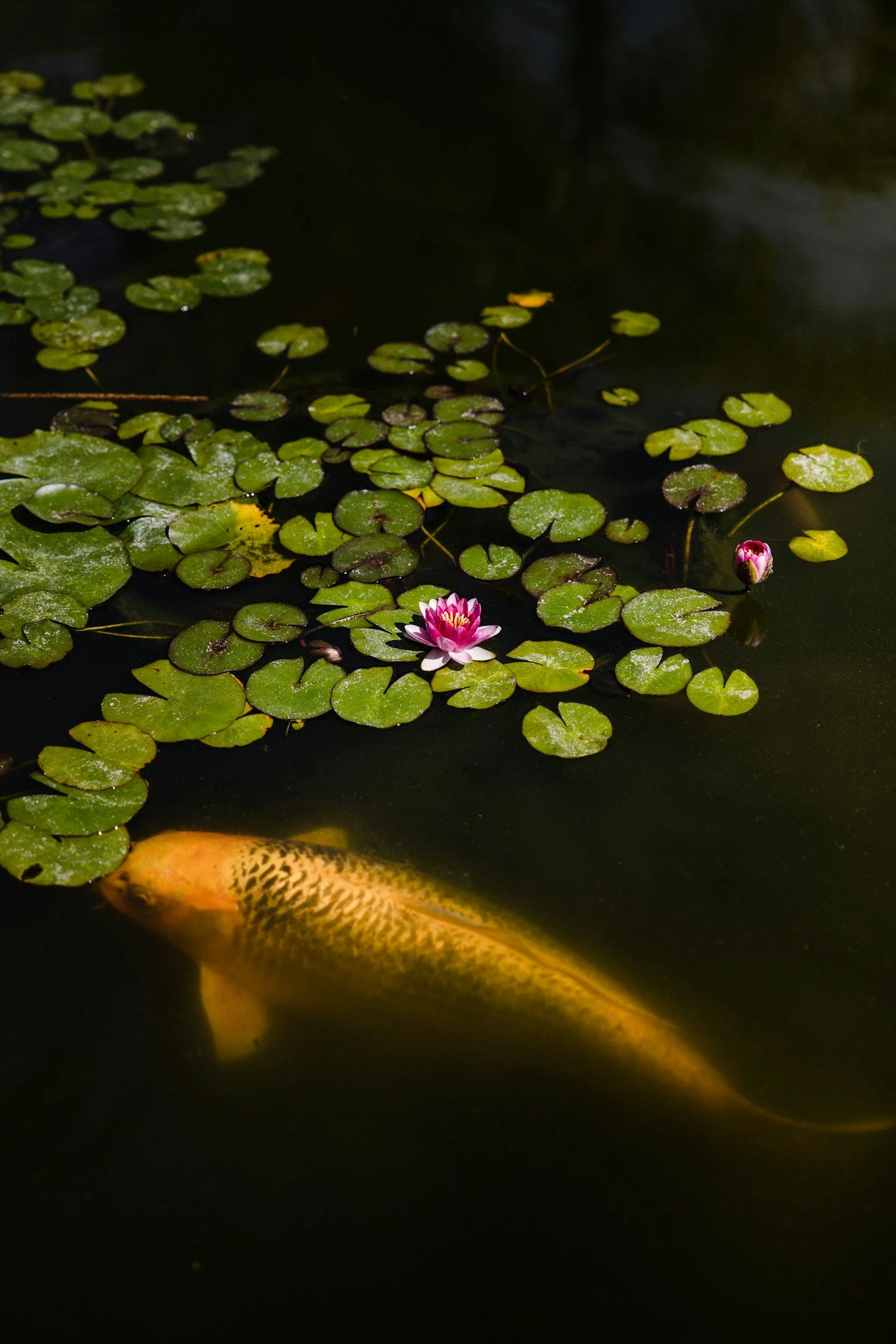
Spring Prep = Stronger Growth, Healthier Koi
Spring isn’t just about getting your pond running again—it’s about setting a foundation.
When your water is stable and your koi are supported through this transition, you’ll see better growth, stronger immune systems, and fewer problems throughout the year.
Take it slow. Stay consistent. Let nature lead.
And if you’re looking to add new life to your pond…
Spring is one of the best times to introduce new koi.
📍 Robert’s Koi Farm – Fort Langley, BC
Healthy koi raised in natural clay mud ponds
📦 Shipping available across Canada